Affichage des articles dont le libellé est exceptional travel. Afficher tous les articles

lundi 25 avril 2016

Antelope Canyon, United states

Antelope Canyon is a slot canyon in the American Southwest. It is located on Navajo land east of Page, Arizona. Antelope Canyon includes two separate canyon sections, referred to individually as Upper Antelope Canyon or The Crack; and Antelope Canyon or The Corkscrew.
In the Upper Antelope Canyon
The Navajo name for Upper Antelope Canyon is Tsé bighánílíní, which means "the place where water runs through rocks." Lower Antelope Canyon is Hazdistazí (advertised as "Hasdestwazi" by the Navajo Parks and Recreation Department), or "spiral rock arches." Both are located within the LeChee Chapter of the Navajo Nation.
Antelope Canyon was formed by erosion of Navajo Sandstone, primarily due to flash flooding and secondarily due to other sub-aerial processes. Rainwater, especially during monsoon season, runs into the extensive basin above the slot canyon sections, picking up speed and sand as it rushes into the narrow passageways.


In the lawer Antelope canyon


Over time the passageways eroded away, making the corridors deeper and smoothing hard edges in such a way as to form characteristic 'flowing' shapes in the rock. Flooding in the canyon still occurs. A flood occurred on October 30, 2006, that lasted 36 hours, and caused the Tribal Park Authorities to close Lower Antelope Canyon for five months.


Next to this Canyon, you can find the Lake Powell, a reservoir on the Colorado River. It is a major vacation spot that around 2 million people visit every year. It is the second largest man-made reservoir by maximum water capacity in the United States behind Lake Mead, storing 24,322,000 acre feet (3.0001×10¹⁰ m3) of water when full.

However, due to high water withdrawals for human and agricultural consumption, and because of subsequent droughts in the area, Lake Powell is currently larger than Mead in terms of volume of water currently held, depth and surface area. Lake Powell was created by the flooding of Glen Canyon by the Glen Canyon Dam, which also led to the creation of Glen Canyon National Recreation Area, a popular summer destination. The reservoir is named for explorer John Wesley Powell, a one-armed American Civil War veteran who explored the river via three wooden boats in 1869.

mardi 19 avril 2016

Whitsunday Island, Australia


Whitehaven Beach is a beach located on Whitsunday Island, in Queensland, North East territory of Australia. The island is accessible only by boat from the ports of Airlie Beach, Shute Harbour or Hamilton Island.


This piece of paradise is 7 km long and its name comes from its sandy beaches bright white (sand consists of 98% pure silica!) and crystal clear waters. From the air you can see the furrows that draw hot water in the sand.


All the visitors of this Island have the same record: This is the most beautiful beach in the worldwide. It is the paradise on earth.

On this Island you can practise 3 activities:
          
          -To chill on the beach
          -To make a parachute jump for the more courageous
          -To make an aerial tour in plane for all people who love beautiful viewpoints


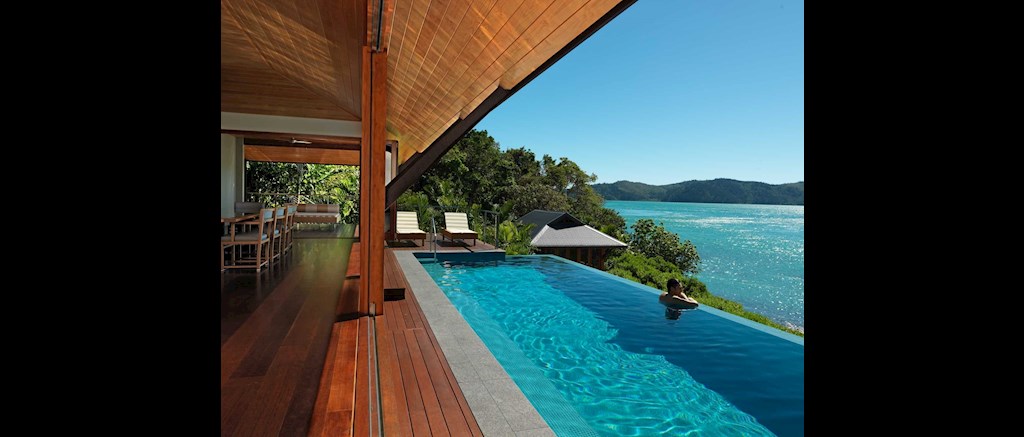
On this Island, there are not hotel, you can go on the cruise or sleep in an hotel on the Island of Hamilton at 10 kilometers of the Whatsunday Island. The Qualia Resort is a perfect hotel for holidays with theres suites, this swimming pool. It is next to the beach and the hotel have an amazing garden.

mardi 15 mars 2016

Guanacaste, Costa Rica/ Machu Picchu, Peru

Guanacaste is situated in the North-West of Costa Rica, on the Pacific Coast. This region is very famous for its specific trees, its beautiful landscapes, the National Park and its wonderful beaches. In all Costa Rica, that is where inhabitants are the least numerous.
If you would like to visit the Costa Rica, the best saison is the winter -from december to april- because it is the dry saison. The temperature, from 25 to 35 degrees Celcius ( 77 and 95 degrees Fahrenheit) is warm but not so hot.


The vast National Park of Guanacaste offers more than 3 000 types of plants, 140 species of mammals, over 300 birds, 100 amphibians and reptiles and more than 10,000 species of insects. You can easily see monkeys, armadillos, montain lions and black falcons.
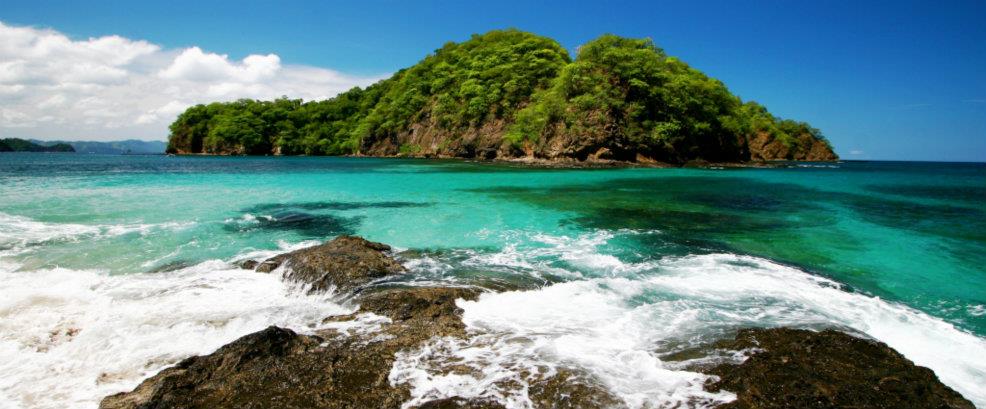
If you wish to cool down, the most beautiful beaches are Tamarindo, Samara, Flamingo, Hermosa del Coco and Montezuma. 

All of them are white sand beaches, with an infinity view on the Pacific Ocean.

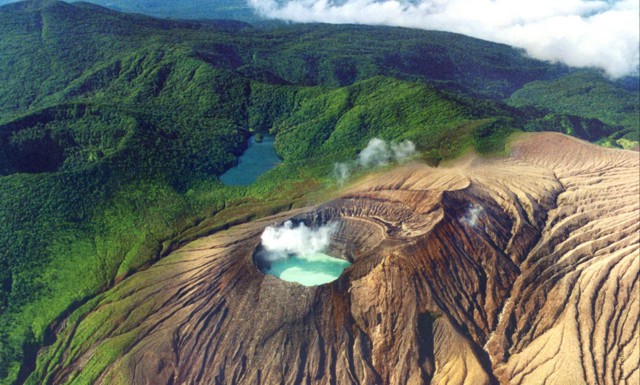
Volcan of Orosi
If you feel like practicing sport, the big waves and the warmth of the water are just perfect for surfing .
If you want to visit, the City of Santa Cruz is really amazing with its authentic houses and its numerous beautiful parks.
On the Guanacaste region, four volcans take place. The most wonderful is the Volcan of Orosi, you can't miss it.


Guanacaste is a touristic region where you can find all types of hotel (luxurius hotels or more simple hotels), you can also choose to sleep in a camping or outdoors in nature. 
However I recommend you to hire a car because the region is really vast and you will need to travel a lot to visit it.


To conclude, this region is really fantastic, so don't hesitate, just go for it !!


Hotel Riu Guanacaste